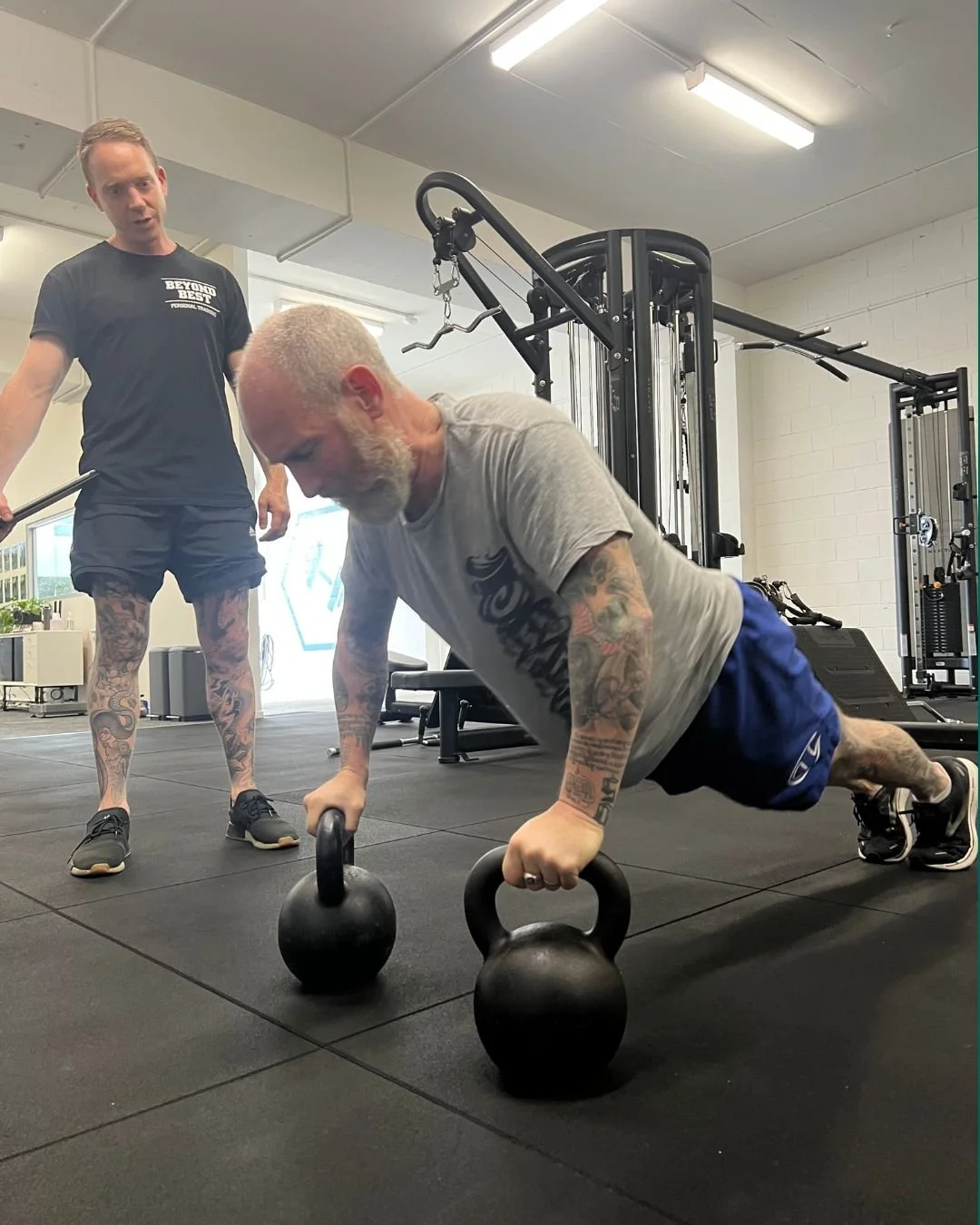
Training should be challenging, but it should also make sense for your body, your goals and your experience.
Around this time of year, it becomes very easy to decide that getting back into training can wait.
The weather improves, calendars fill up, work gets busy before Christmas and weekends suddenly disappear into dinners, events and travel. By mid-October, January can start to feel close enough that putting your health on hold for a couple of months seems reasonable.
“I’ll get back into it properly next year” is an easy promise to make.
At Beyond Best in Collingwood, we hear a version of this every October. The problem is that January rarely arrives with fewer demands on your time, more energy or a completely different version of you.
For most people, waiting for the perfect time to start is exactly what keeps them stuck in a cycle of stopping and restarting.
You don’t need to transform before Christmas
There is a lot of fitness marketing at this time of year that tells people they need to rush.
Get summer ready. Lose weight before Christmas. Complete a challenge. Train six days a week for the next month.
For many people, that pressure does more harm than good.
If you already have a demanding job, an inconsistent training history or a few aches and injuries that make you unsure where to begin, an aggressive short-term plan is unlikely to be what finally creates consistency.
A much more useful goal between now and the end of the year is simply to establish a routine that works.
That could mean training twice a week. It could mean finally learning how to strength train properly. It might mean understanding which exercises suit your body instead of copying a program online, or having regular appointments in the calendar so exercise stops being the first thing dropped when work gets busy.
None of that sounds particularly dramatic, but it is often what creates the biggest change over time.
January isn’t a strategy for busy inner-north professionals
Every January, gyms become busier because people suddenly feel ready to get back into the gym.
There is nothing wrong with using the new year as motivation, but motivation is rarely the part people are missing.
Most people already know they should exercise more consistently. They know strength training is good for them, and they usually know when their energy, fitness or general health has slipped.
What they often don't have is a clear way to make training fit around everything else going on in their life.
That is particularly true for the people we work with around Collingwood and Melbourne’s inner north. They are often managing demanding careers, hybrid work, long hours, social commitments and increasingly less spare time. Exercise matters to them, but it is competing with a long list of other priorities.
In that situation, the answer usually isn't another burst of motivation. It is structure.
When you know when you're training, what you're doing when you arrive and why it is appropriate for you, staying consistent becomes much easier.
Starting now gives you something January can’t: momentum
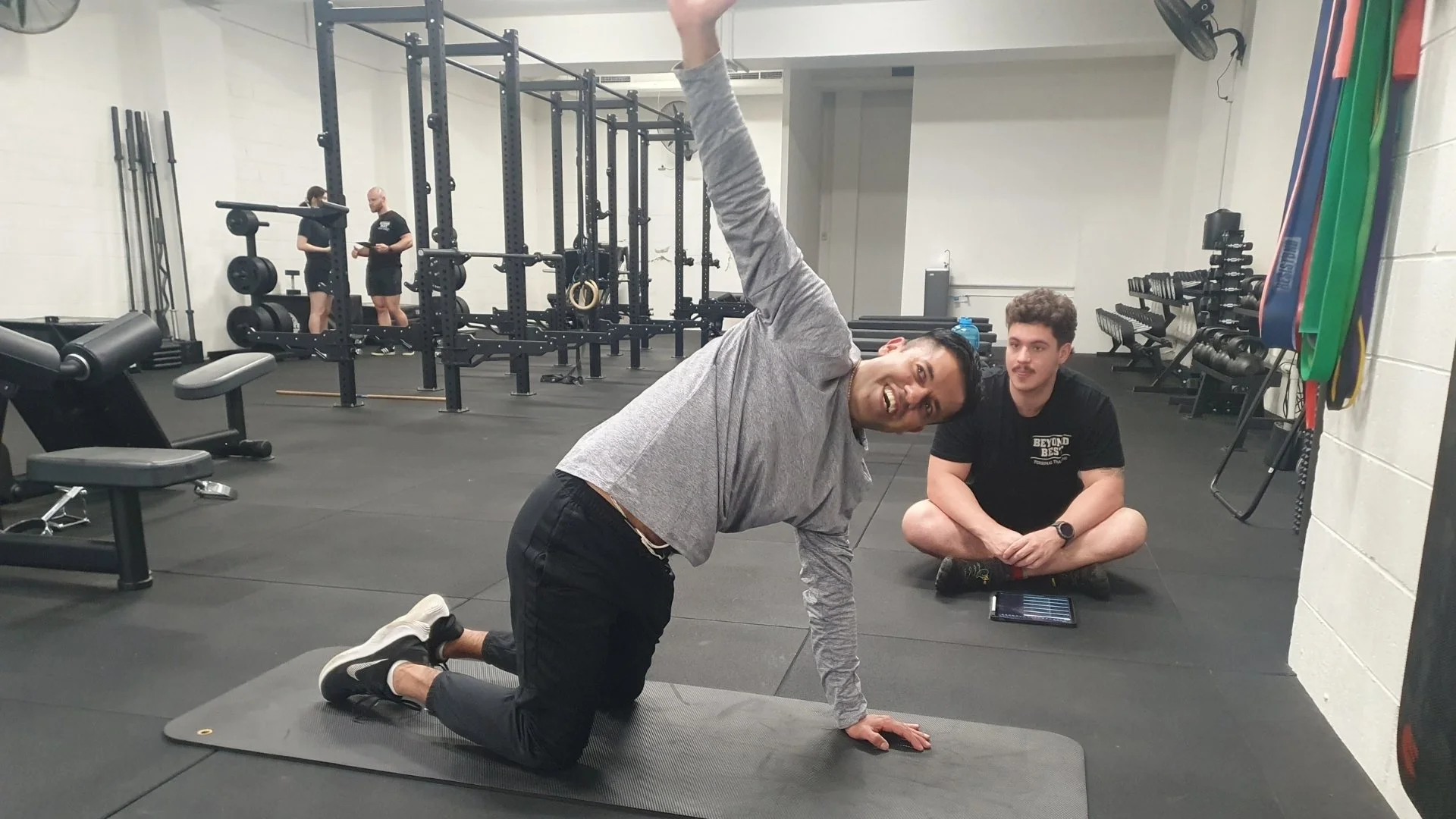
Good coaching starts with understanding how you move, what you need and where you’re starting from.
There is a big difference between entering January saying, “I really need to start exercising again,” and entering January having already trained consistently for the previous two months.
The second person isn't starting from zero.
They already know where training fits into their week. They have begun building strength and confidence, they understand what their body can handle, and they aren't relying on the excitement of a new year to get moving.
Even if November and December aren't perfectly consistent, having an established routine makes it much easier to return after a busy week, a holiday or a few missed sessions.
That ability to return is important.
Long-term fitness is rarely about never missing a session. It is about making sure one disrupted week doesn't become three months away from training.
Personal training isn’t just for beginners, especially if you’ve trained before
One of the biggest misconceptions around personal training is that it is mainly for people who have never exercised.
In reality, many people who benefit most from personal training already know their way around a gym.
They may have trained regularly in their twenties, played sport when they were younger or followed programs on and off for years. The challenge is that their circumstances have changed.
They sit more for work. Their schedule is less predictable. An old shoulder, back or knee issue occasionally flares up. Recovery feels different, and spending five or six days a week in the gym is no longer realistic or desirable.
Knowing a collection of exercises isn't necessarily enough to solve that.
Good personal training gives you a program built around the person you are now rather than the person you were ten years ago.
At Beyond Best, this is why we begin with movement screening and take the time to understand someone's training history, goals, limitations and lifestyle before deciding what their training should look like.
The objective isn't to push someone through the hardest session possible. It is to help them train effectively enough, consistently enough, for progress to continue.
The best routine is the one that can handle your real life
There will always be weeks where training is easy to prioritise, and others where work runs late, sleep is poor or your social calendar gets busy.
A useful training program needs to account for both.
Sometimes that means progressing the weight or intensity. Other times it means adjusting a session because your back doesn't feel right, changing the plan after a stressful week or simply making sure you get a productive session completed rather than skipping it entirely.
This is one of the reasons personal training can be valuable for busy professionals.
You're not only paying for access to equipment or someone to count repetitions. You're paying for someone to remove much of the guesswork, make intelligent adjustments and keep the bigger picture moving forward.
For someone whose time is already stretched, that can make training considerably easier to maintain.
You don’t have to wait for a fresh start
If you've been thinking about getting stronger, improving your fitness or simply feeling better in your body again, there is no particular advantage in waiting until January.
You also don't need to spend the next two months training like an athlete.
Start with something sustainable.
Build two or three sessions into your week. Learn what works for your body. Develop some strength. Let training become familiar again.
Then, when January arrives, you won't need to make another resolution to start.
You'll already be doing it.
Beyond Best provides personal training and small-group strength training in Collingwood for people who want expert coaching without the intimidation, ego or one-size-fits-all approach of a traditional gym.
We work with people from Collingwood and surrounding inner-Melbourne suburbs including Fitzroy, Abbotsford, Richmond, Carlton, Clifton Hill and Northcote, helping them build strength, improve movement and create a training routine that works around real life.
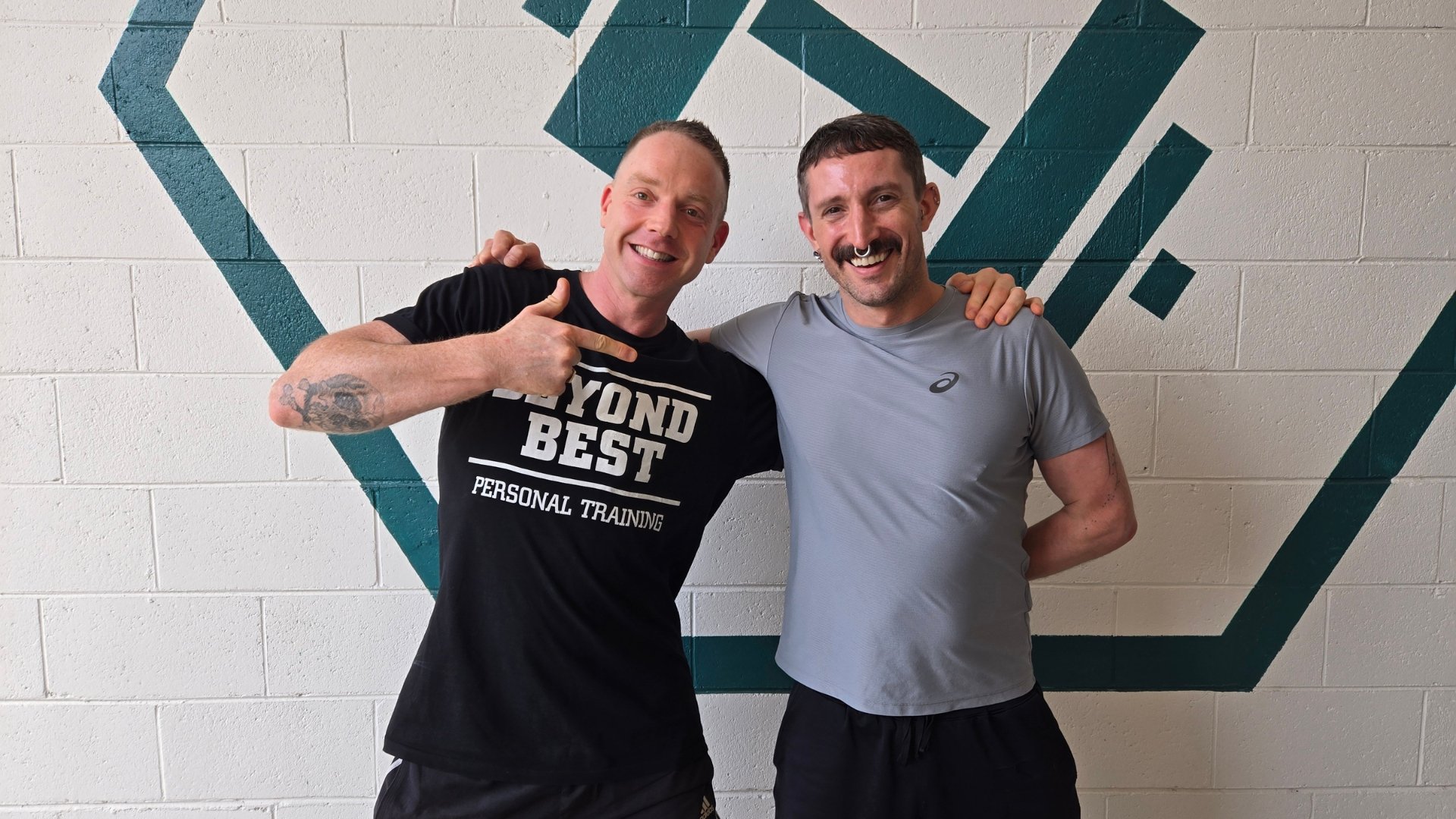
Progress looks different for everyone. Sometimes it’s a new milestone, sometimes it’s simply feeling stronger and more confident than you did a few months ago.
Frequently asked questions
Is it worth starting personal training before Christmas?
Yes. For most people the next few months are the best time to build a routine, not the worst. Starting now means you head into January already training, with a plan you understand and a habit that can survive a busy week. Two or three well-structured sessions a week is enough to build momentum.
Is two personal training sessions a week enough?
For many busy people, two sessions a week is a realistic place to start. It is enough to learn the movements, build strength and make training a fixed part of your week, and you can add a third session as your routine settles. Your coach adjusts the plan around your schedule, recovery and goals.
I’ve trained before. Is personal training still worth it?
Often more so. If you’ve trained on and off for years, the challenge is rarely knowing exercises — it is fitting training around a different schedule, old injuries and changed recovery. A program built around who you are now helps you keep progressing without overdoing it.
What happens in a free assessment at Beyond Best?
You’ll talk through your goals, training history, limitations and lifestyle with one of our coaches, and complete a movement screen so your program is built around how you actually move. There is no pressure to sign up; you leave with a clear starting point.
Book a free assessment at Beyond Best in Collingwood
Ready to stop putting it off?
Book a free assessment at Beyond Best in Collingwood and find out what the right training approach could look like for you.
No pressure. No guesswork. Just a clear starting point based on your goals, your body and your lifestyle.