TL;DR: Muscle matters more as we age, and generic online programs usually do not suit a 40-plus body. Strength training with proper coaching can help you stay strong, mobile and injury-free for decades.
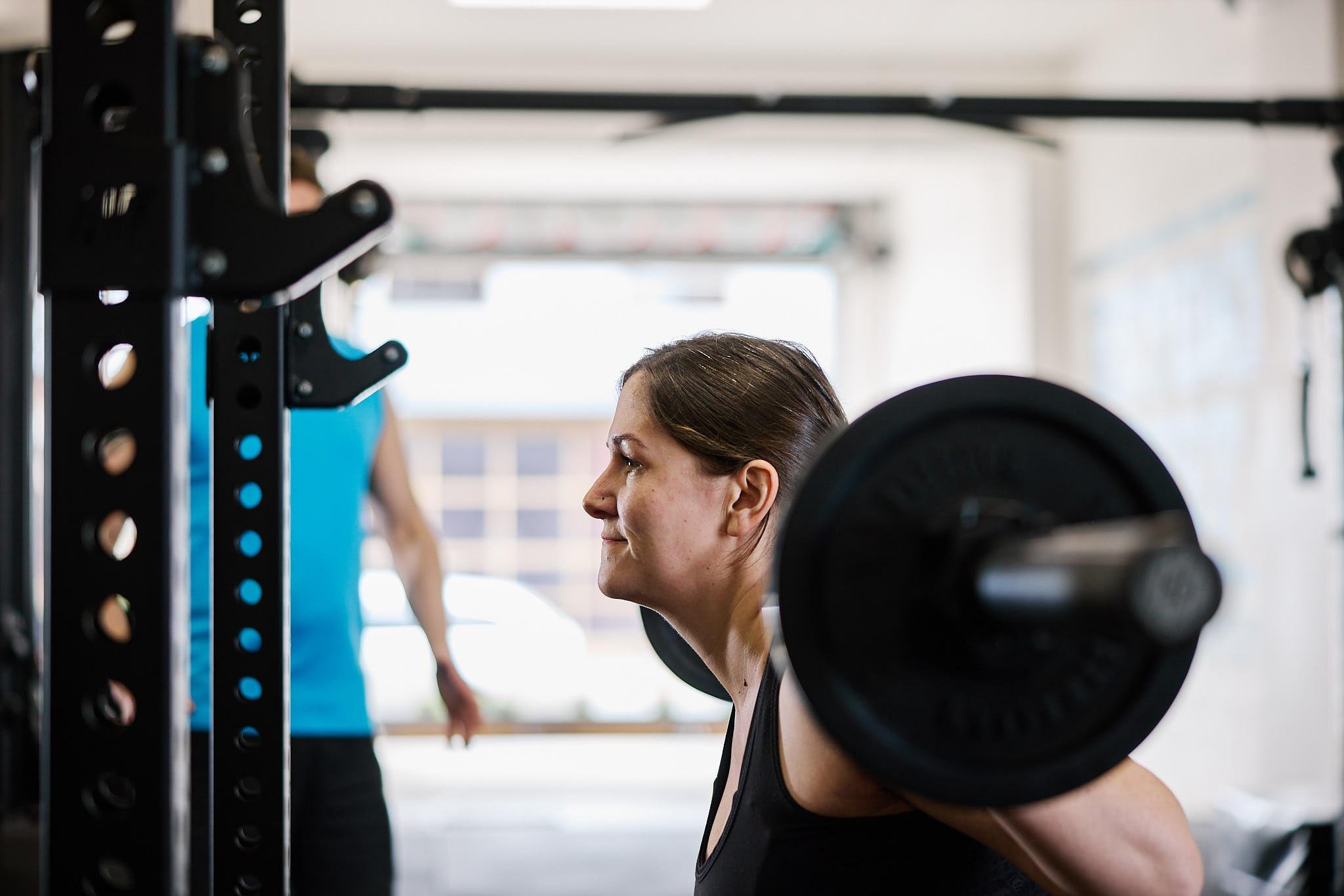
Strong at any age: tailored coaching on every rep at Beyond Best, Collingwood.
If you have hit your 40s, you have probably noticed a few uninvited changes. Getting off the couch now comes with its own sound effects. You have tweaked something reaching for the TV remote. And "I'll sleep it off" has quietly become a three-to-five business day process. You are not imagining it. Recovery takes longer, the scales creep up more easily, and that old footy injury picks the worst moments to say hello.
Here is the good news: you can absolutely build serious strength and muscle after 40. Many of our members tell us they feel stronger than they have in years. The difference is that your approach needs to be smarter, not harder.
Honestly, people in their 40s, 50s and beyond are some of our favourite members to coach. They often walk in for their first session apologising, saying things like "I've left it too late" or "I haven't lifted anything heavier than a laptop in years." A few months later, they are the ones encouraging the newcomers. Watching that shift never gets old.
Why muscle matters more after 40
Muscle mass typically starts to decline from our 30s or 40s. When the loss becomes significant, it is called sarcopenia. Without regular resistance training, it tends to speed up with age.
Research suggests that losing muscle is not just a cosmetic issue. It directly impacts almost every part of your long-term health:
Metabolic health: Muscle is metabolically active tissue. Less muscle can lower the energy your body uses at rest, and changes in activity, sleep and stress add up too. That is one reason the same meals can lead to weight gain later in life.
Bone density: Lifting weights places healthy mechanical load through your skeleton, stimulating bone growth and helping protect against osteopenia and osteoporosis which may help support bone density.
Blood sugar regulation: Your muscles act as the primary storage site for glucose. More muscle can improve how your body handles blood sugar.
Joint protection and longevity: Strong muscles act like shock absorbers for your knees, hips, and lower back, keeping you capable of carrying the shopping, playing with your kids, and staying independent for decades.
Think of muscle as the retirement savings for your body. The more you build now, the better off you will be in 10, 20, and 30 years. Unlike your super, the returns do not depend on the share market.
Why Generic Programs Fail After 40
If building muscle is so important, why do so many people over 40 start a gym routine in January and quit by March?
Usually, it comes down to following generic, cookie-cutter advice designed for 22-year-olds with unlimited recovery and zero injury history. After 40, the rules of the game change in three big ways:
1. Your body has a history
Almost everyone over 40 carries something. It might be a cranky shoulder from years at a desk, a tight lower back, or a knee that hates lunges. Jumping straight into a random online workout without personal training or knowing your movement mechanics is the fastest way to flare up an old injury and lose months of momentum.
2. Your muscles become less responsive to protein
Research suggests older adults may need a little more protein at each meal to get the same muscle response. In plain English, your muscles become less sensitive to the protein you eat. Eating a tiny breakfast and one big dinner no longer cuts it; both your overall protein intake and how you spread it across the day matter far more than they used to.
3. Stress comes from everywhere
Work deadlines, mortgage pressure, family schedules, and broken sleep all draw from the exact same recovery bank as your workouts. You do not grow in the gym; you grow when you recover from it. Pushing through a brutal, rigid program during a high-stress week does not make you tougher. It just runs you into the ground.
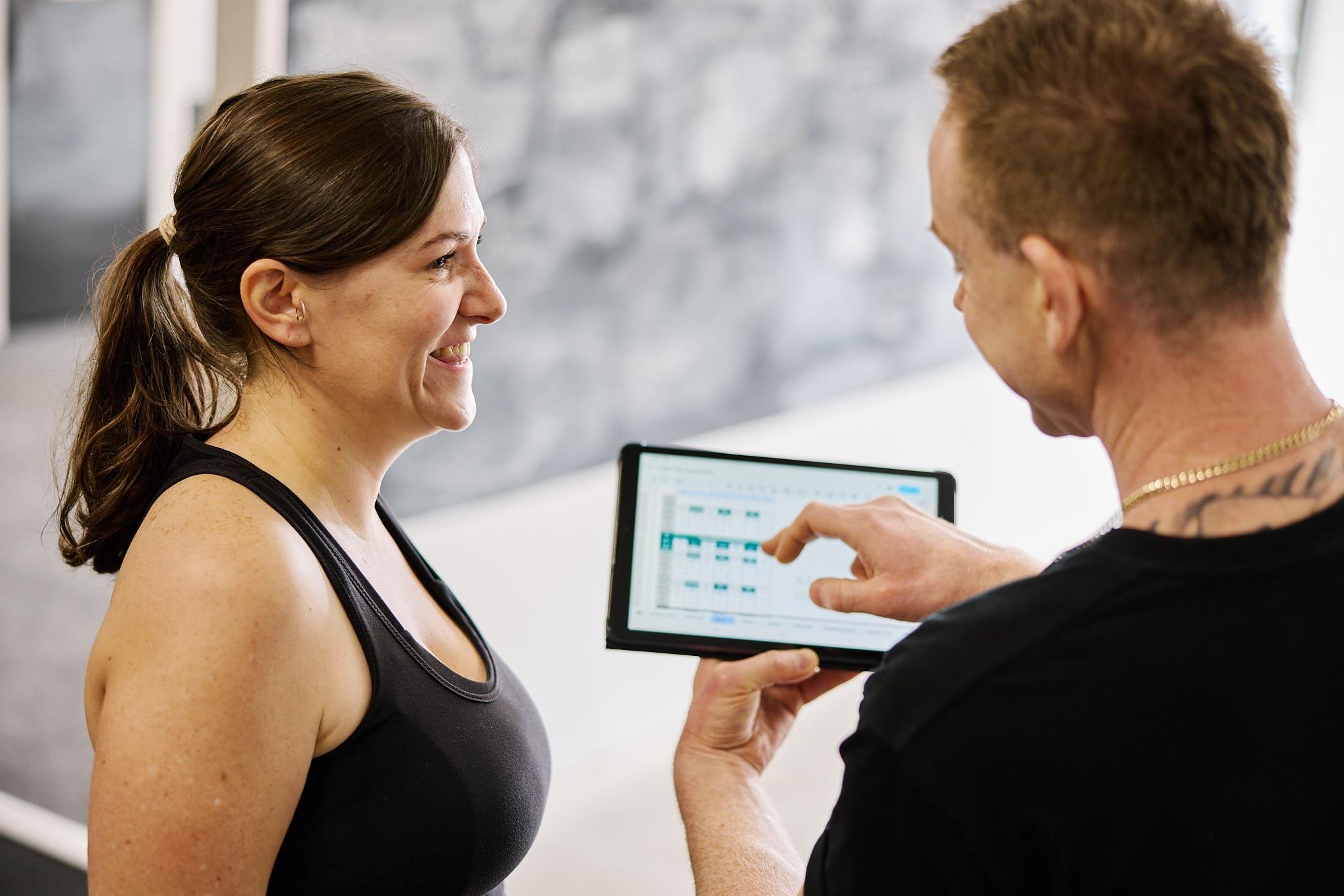
Every program starts with a proper assessment, then gets mapped out around your body and schedule.
Why Personal Training Makes the Difference After 40
You could download a PDF program and try to figure it all out alone. After 40, however, the cost of getting it wrong is much higher. A niggling back tweak can set you back months, and a plan that ignores your actual lifestyle will not survive a busy work week.
At Beyond Best in Collingwood, our founder Beni Cook has spent more than 26 years coaching with a focus on longevity, movement quality, and real-world wellbeing over quick fixes. When you train with us, we take the guesswork off your plate:
We start with a Movement Screen, not guesswork: Before you touch a heavy weight, we assess how your joints move, identify old compensations, and spot injury risks early so your program builds you up instead of breaking you down.
We adapt to your week: If you come in exhausted after a massive week at work or a bad night's sleep, we adjust the load and intensity on the spot. You still make progress without burning out.
Coaching on every single rep: Small tweaks to your stance, grip, or tempo can take a movement from "painful on my knees" to "feeling it in all the right places."
Accountability that actually sticks: Having a coach expecting you on a Tuesday night, plus a community of everyday locals who genuinely want to see you win, changes everything.
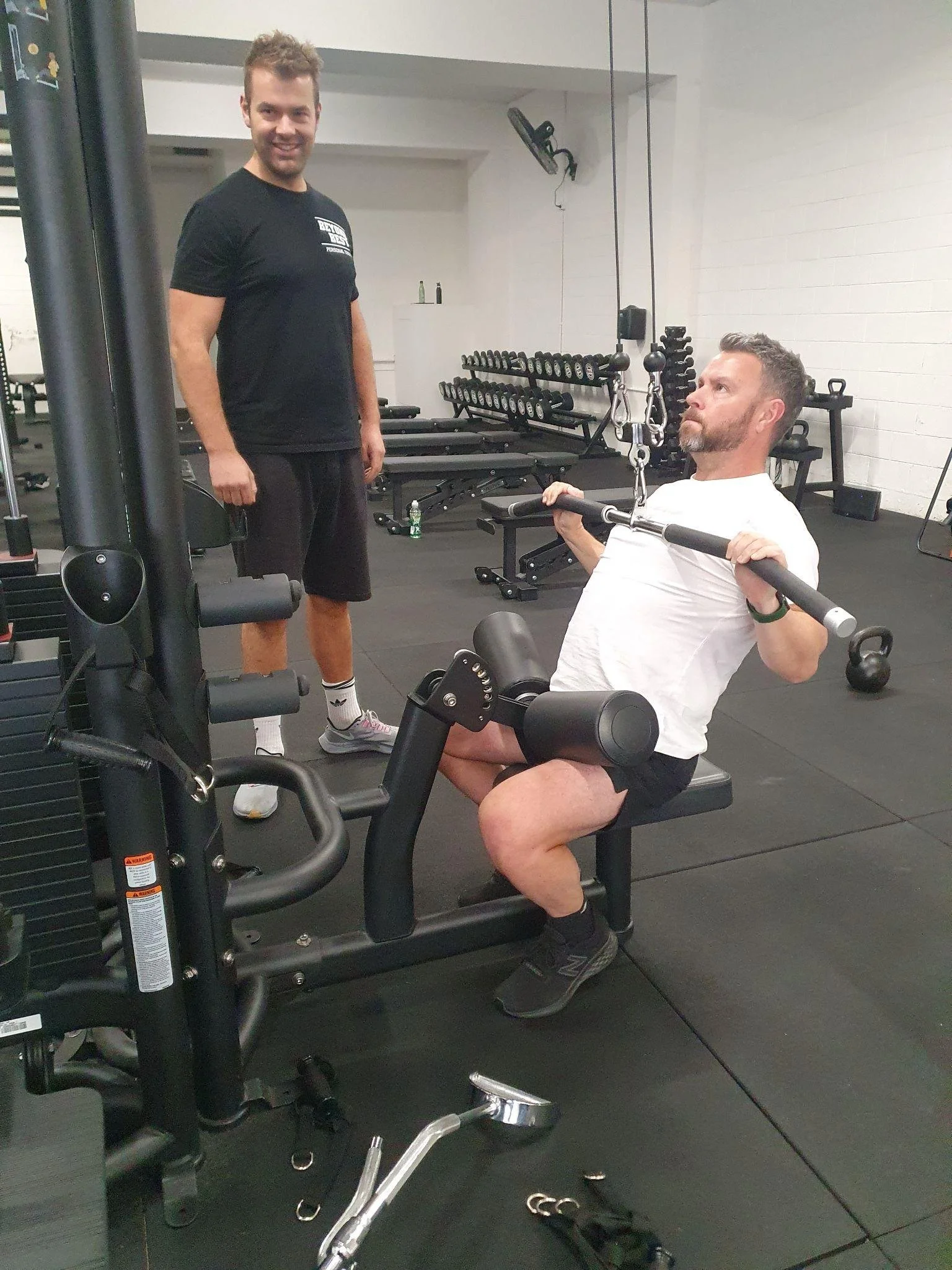
Proof that the best time to start is now: a Beyond Best member putting in the work on the lat pulldown.
Strength training over 40: Common Questions
Is it really not too late to start lifting weights in my 40s or 50s?
Not at all. Studies show adults can keep building muscle well into older age. Your progress might look steadier than it did at 20, but with smart programming and proper recovery, your strongest years can genuinely still be ahead of you.
How many days a week do I need to train to see real results?
Australia's guidelines recommend muscle-strengthening activity on at least two days a week and this leaves plenty of room for recovery, family, and life outside the gym.
What if I have an old back, knee, or shoulder injury?
That is actually the best reason to work with a coach. Pain does not mean you cannot train; it just means you need the right movement variation for your body. During your initial assessment, we work around existing injuries and gradually strengthen the muscles supporting those joints. If you have pain or a medical condition, check with your GP or physio first. We work alongside them.
Will lifting weights make me bulky or stiff?
Unlikely. Building muscle after 40 creates a leaner, stronger, more capable physique while actually improving your mobility. Strength training through a full range of motion helps relieve stiffness rather than causing it.
I feel intimidated walking into a normal gym. What is Beyond Best like?
We hear this every week. Beyond Best is not an ego-driven bodybuilding warehouse. It is a supportive, down-to-earth studio in Collingwood where coaches know your name, greet you at the door, and tailor every session to your starting point.
Ready to Feel Strong Again?
It is never too late to start, and your future self (the one getting off the floor without the sound effects) will thank you for starting today. Whether you are returning to exercise after years away or picking up a weight for the very first time, our team in Collingwood will meet you right where you are.
Book your free assessment: Come in for a no-pressure chat and Movement Screen to see where your body is at.
Kick-start with our 6 Week Transformation: Combine personalised strength coaching, nutrition guidance, and real accountability to build momentum fast.
Join our Nutrition Workshop: Learn how to fuel your body and hit your protein goals without restrictive diets or giving up your social life.
This article is general information, not personal medical advice. If you have an injury, a medical condition, or have not exercised for a long time, speak with your GP or physiotherapist before starting strength training.